
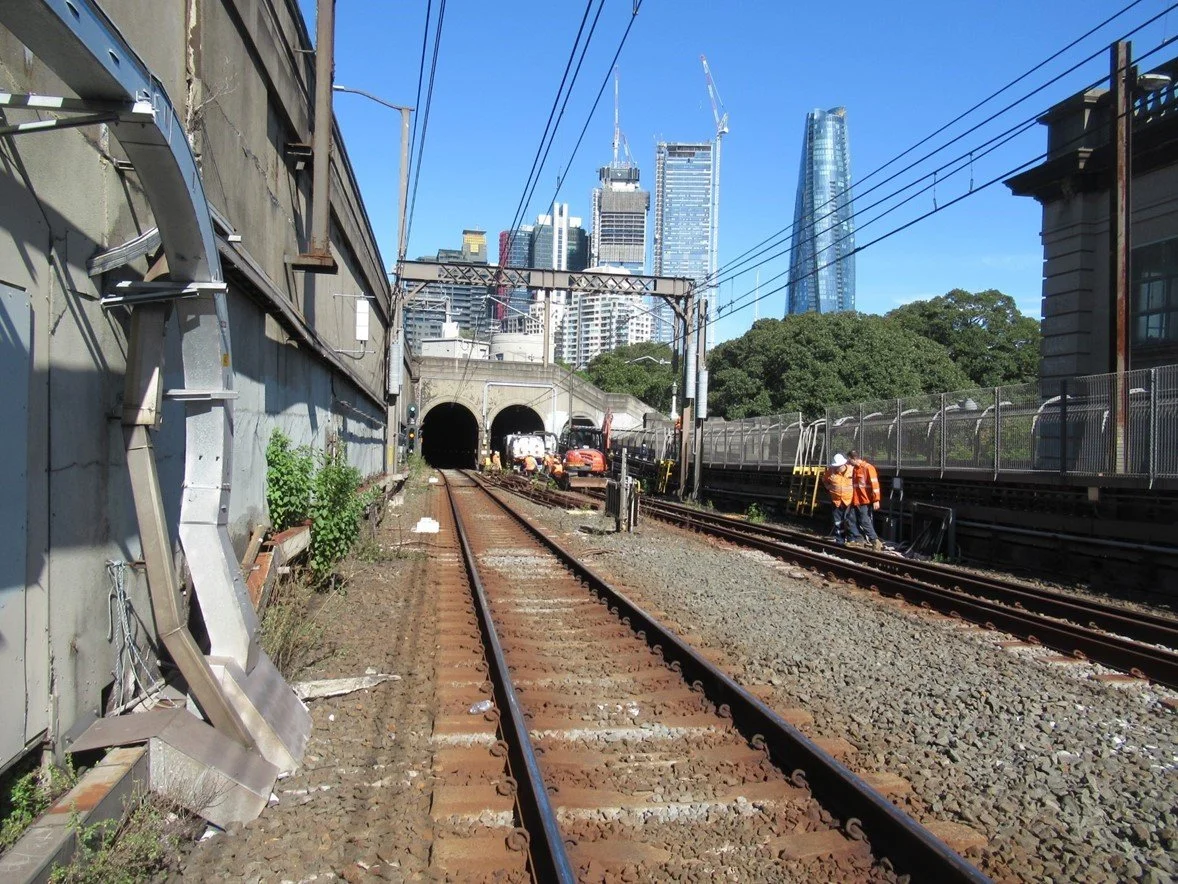
Argyle St substation, Sydney
The State heritage registered Argyle Street Railway Substation underwent power supply upgrades which revealed archaeological finds of several 19th Century outbuilding structures and an assemblage of over 2,000 artefacts from the 1850s-1920s.
The project
Location: Argyle St Substation, Sydney on Gadigal Country
Artefact was engaged to carry out archaeological monitoring and excavation which revealed an abundance of finds that gave insight into the history and occupation of the area spanning the past 160 years.
Heritage solution
he region containing Argyle Street Railway Substation is known to have been used in the early 1840s as a sandstone quarry and later as commercial and residential spaces throughout the 19th Century.
Previous investigation of the Substation yard revealed archaeological remains and remnants from the site’s various residential buildings, indicating further archaeological potential within the area. From this basis, Artefact was engaged for an archaeological assessment, monitoring and investigation during the power supply upgrade works.
Cabling upgrades allowed for access to the lower level of the substation and trenches were excavated through the modern foundations to allow the archaeologists access to the historic layers previously hidden below.
These trenches revealed brick and sandstone outbuildings, retaining walls, outhouse foundations and half a large wooden barrel alongside an assemblage of other artefacts.
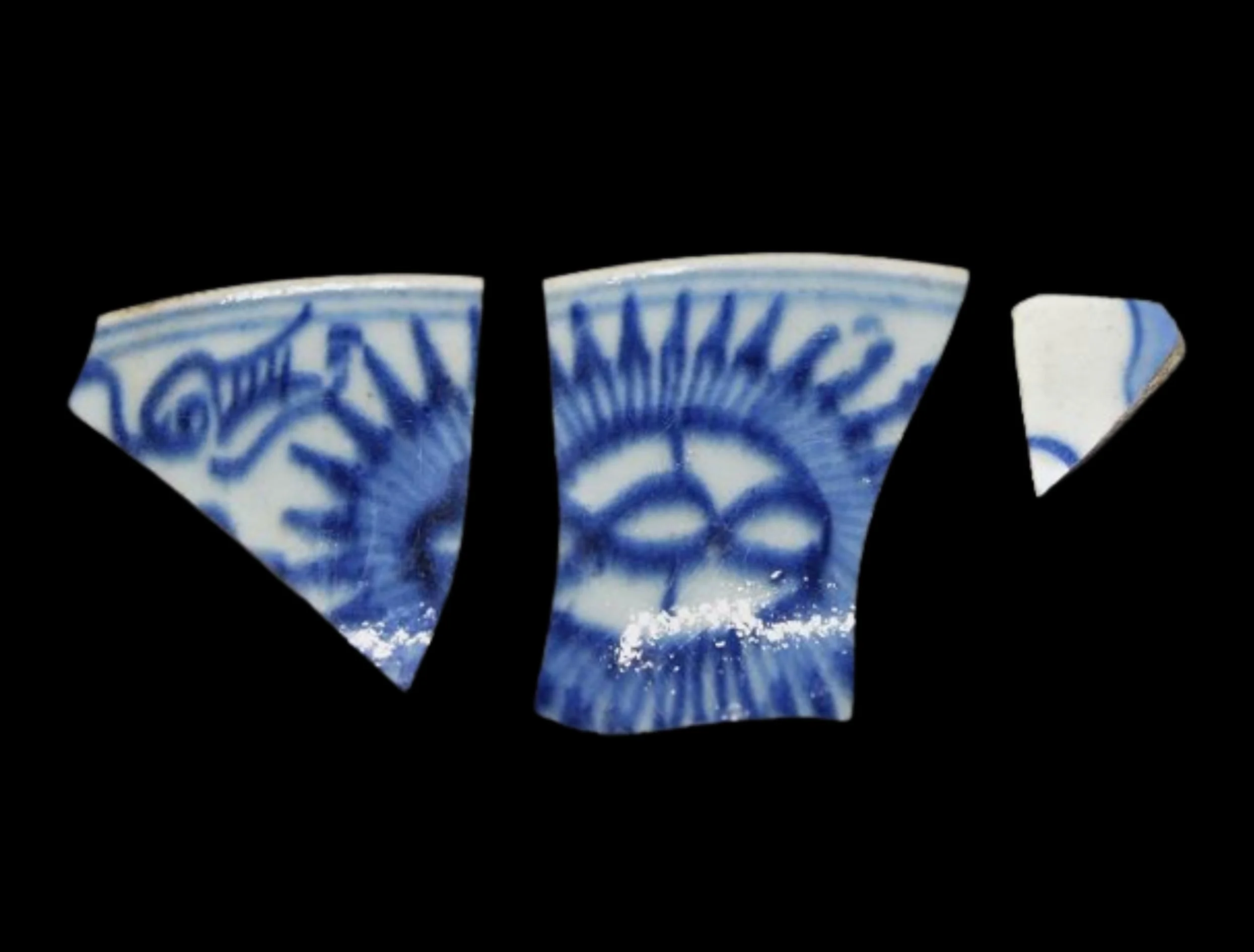
The abundance of finds at the site included: pottery, bottles and jars, tobacco pipes, brass tags, children’s toys, pencils, and evidence of pet burial, all dating primarily from the 1860s to 1920s.
Prompted by the archaeological assessments of previous investigations Artefact recommended excavation works be undertaken at the Argyle Street Railway Substation.
The materials found were preserved, documented, and retained where possible, amidst the power supply upgrades as evidence for the significance of the site and a demonstration of its ongoing history.
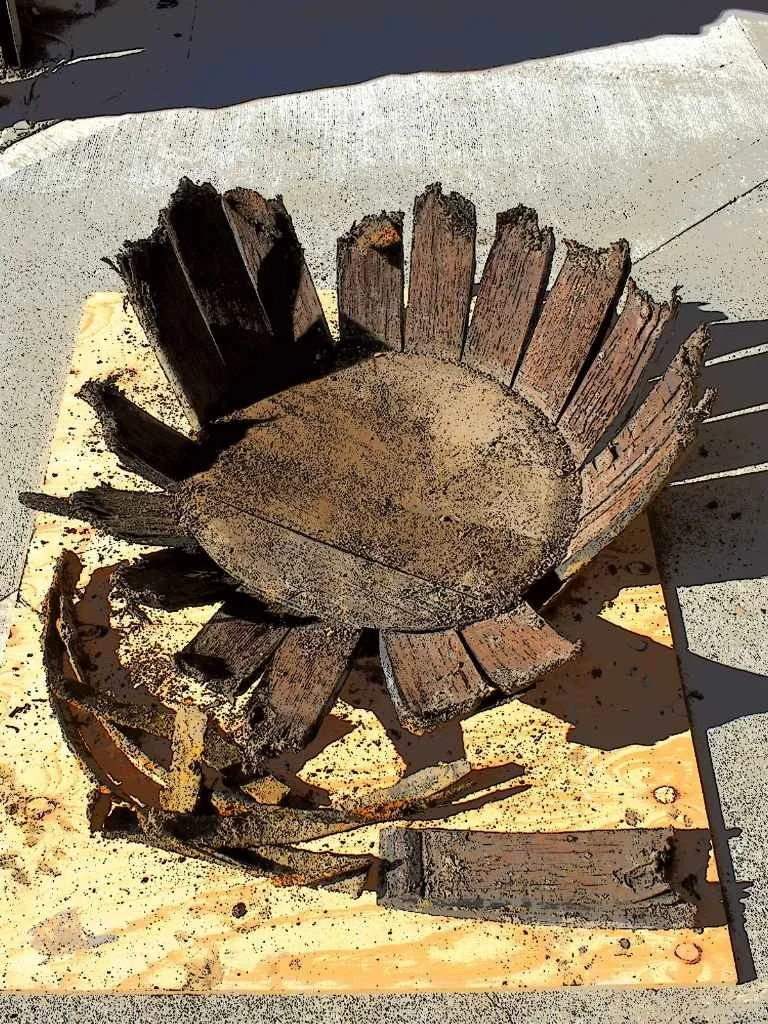
“The underside of the wooden barrel was stamped with the lettering M B S BURTON / ON TRENT which revealed it was made in Staffordshire England – a place internationally known for brewing beer. It is my interpretation that the find was likely an imported ale barrel that was later buried in the ground and repurposed for water storage.”
— Jayden van Beek, Technical Specialist
-
-
archaeological assessment, monitoring and investigation
archaeological excavation