meet the team
“For me, the most compelling part of archaeology is its ability to let you speak with ordinary people of the past, particularly those whose voices are often missing from the historical record.”
Sunday De Joux
SENIOR HERITAGE CONSULTANT

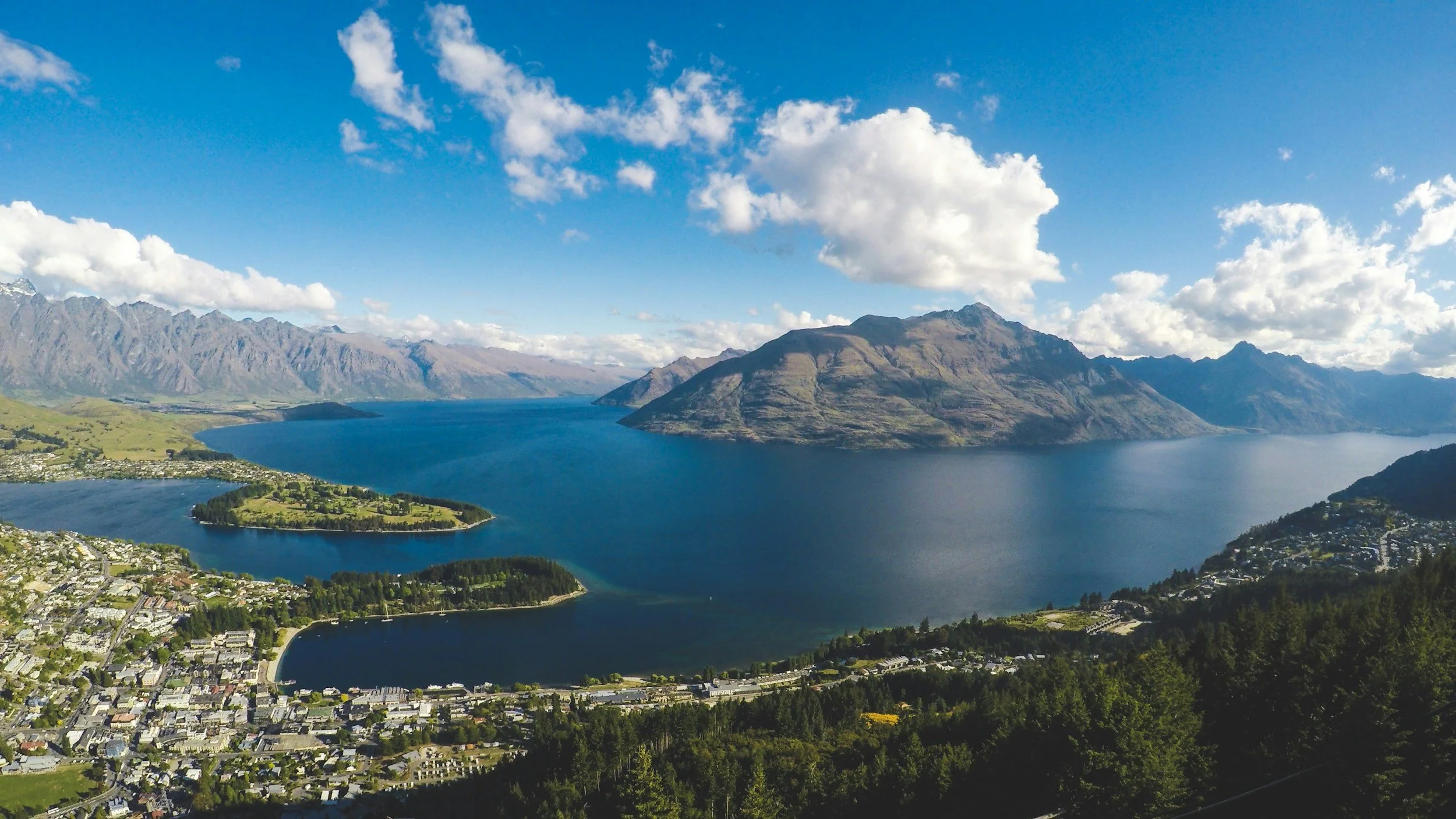
Sunday is an archaeologist and life-long student of history from Aotearoa New Zealand, having moved to Sydney after completing her Masters at the University of Otago. Sunday has been mesmerised by people and human culture of the past and present for their whole life, beginning with a fervid Egyptology phase at age 5 (as is tradition for many archaeologists) that evolved into a love of all histories, big and small.
Sunday’s interest in history was always enthusiastically shared and encouraged by their grandmother, Margaret, whose enduring love of learning about people and science alike they were lucky enough to inherit.
Since becoming a consultant Sunday has worked on a range of projects that reflect Australia’s ancient, diverse, and unique story, which has introduced them to some incredible people and amazing archaeology.
Sunday’s specialities include historical archaeology and bioarchaeology (the study of human remains in archaeological contexts), and they have built strong skills in project management, lithics analysis, technical report writing, surveys and excavation across the last four years.
-
MSc—Anatomy (Bioarchaeology)
BA(Hons)--Archaeology/anthropology
BA—Archaeology, history
-
-
Equality & Justice
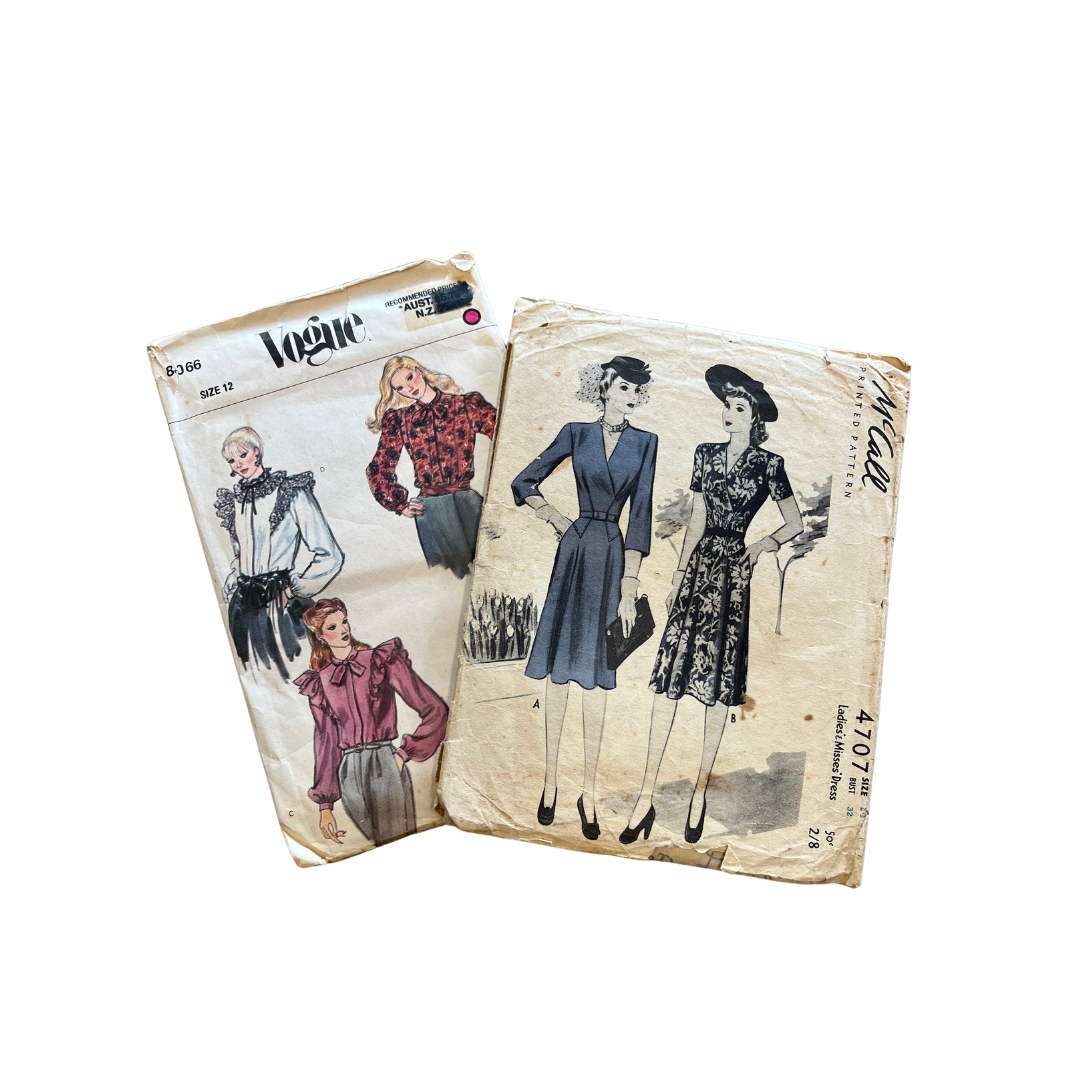
Sunday’s artefact