
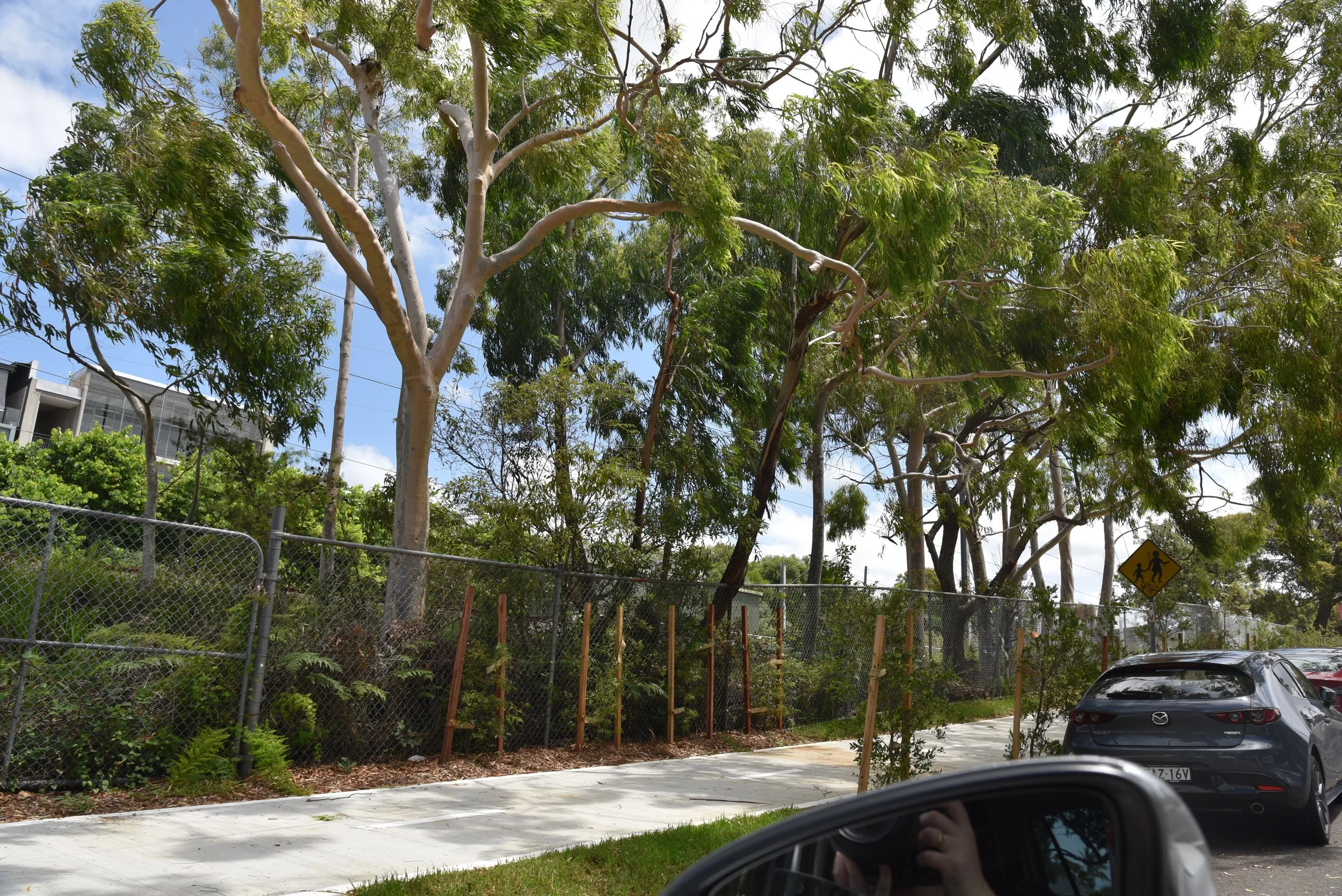
Sutherland to Cronulla Active Transport Link
Artefact served as the Historical and Aboriginal Heritage Consultant to inform the development of the historic Broadmeadow Locomotive Depot precinct.
The project
Location: Sutherland to Cronulla NSW on Dharawal Country
The Sutherland to Cronulla Active Transport Link (SCATL) is a pedestrian and bicycle path between Sutherland and Cronulla to help make walking and bike riding a more convenient, safe and enjoyable transport option.
Artefact was engaged by GHD to review the three route options for the ‘Horizon 3’ installation of the Sutherland to Cronulla Active Transport Link.
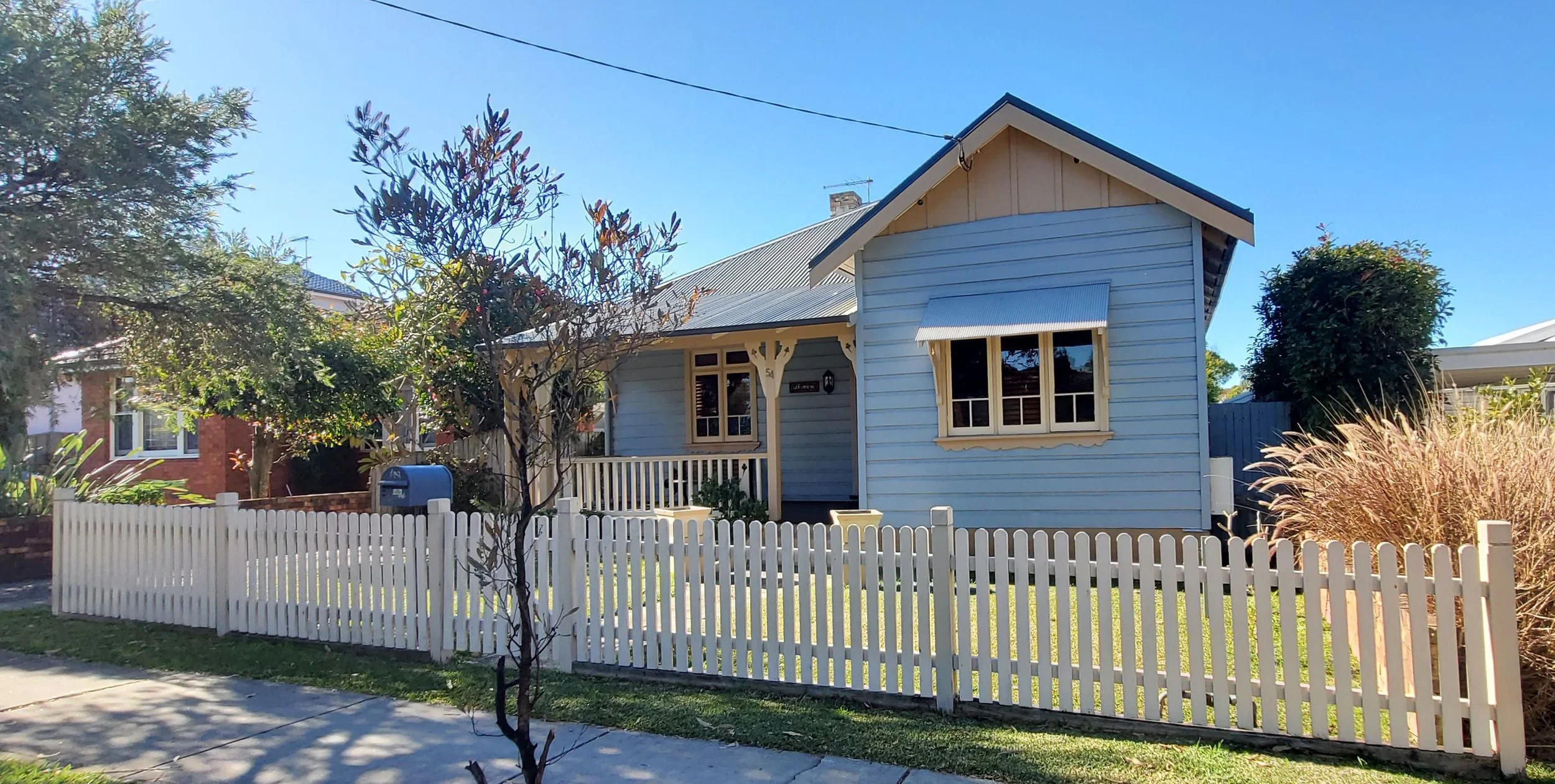
The project involved Artefact’s heritage consultants researching the history and heritage of the region, followed by a site visit to investigate each of the proposed route options and evaluate their potential impacts on the surrounding heritage items.
-
GHD on behalf of Transport for NSW
-
Heritage Analysis
Heritage solution
To appropriately evaluate such a large area, our heritage consultants and mapping specialists combined multiple resources to examine the different options proposed.
The team examined the following:
• Satellite imagery
• Historic photographs and aerial imagery
• Local, State and National Heritage Registers
• State and local library record
Following this research, our team conducted site visits of the SCATL site to visually review each of the options and confirm the mapping and research findings.
Outcome
Our research identified 51 heritage items within an approximate 100-metre vicinity and 15 heritage items within a 50-metre vicinity of the three potential SCATL pathways.
Artefact’s heritage consultants determined the Option 3 pathway to pose the least risk to the area’s heritage items – and this informed our recommendation to the project team.
Furthermore, we recommended that the area also be investigated for Aboriginal and Historical Archaeological potential.
“By combining detailed historical
research, spatial analysis and on-
site investigations, we were able
to identify the route option that
best balanced improved active
transport access with protection of
the area’s heritage values. Our
recommendation of Option 3 also
highlighted the importance of
investigating both Aboriginal and
historical archaeological potential
before the project progresses.”